Why Jaheziya Could Be the Template for National-Readiness Programs Worldwide
Preparedness is one of those topics everyone nods at—but few nations execute at scale. The UAE’s Jaheziya Initiative offers a model worth studying.
Key features that set it apart
- Accreditation & international standardisation – The training is not “home-brew”; it’s built to global standards and recognised accordingly.
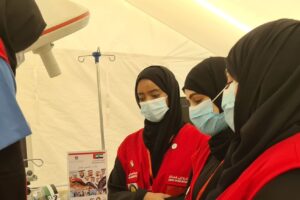
- Inclusive of volunteers and non-medical actors – Too often training stops at medics. Jaheziya goes beyond.
- National credentialing system with real data – Over 80,000 professionals tracked, enabling insight and coordination.
- Technology-enabled and blended delivery – E-training, mobile learning, seminars allow scalability and flexibility.
Lessons for other countries
- Invest early and systemically: Readiness should be built, not patched.
- Certify widely: Having many certified responders means resilience in depth.
- Use data: A registry of frontline professionals gives real-time readiness insight.
- Embrace all disciplines: Logistics, security, volunteers matter as much as medics.
Potential challenges
Scaling such a program demands ongoing funding, refresher training, and motivation for volunteers who may serve only part-time. Ensuring consistency and maintaining certification standards over time can be tricky. Also, localisation matters: what works in the UAE may need adaptation elsewhere.
The bottom line
If countries want to move from “hope we’re ready” to “we are ready,” Jaheziya gives a blueprint. With leadership, investment and a systemic mindset, national-level readiness isn’t just aspirational — it’s achievable.